Description
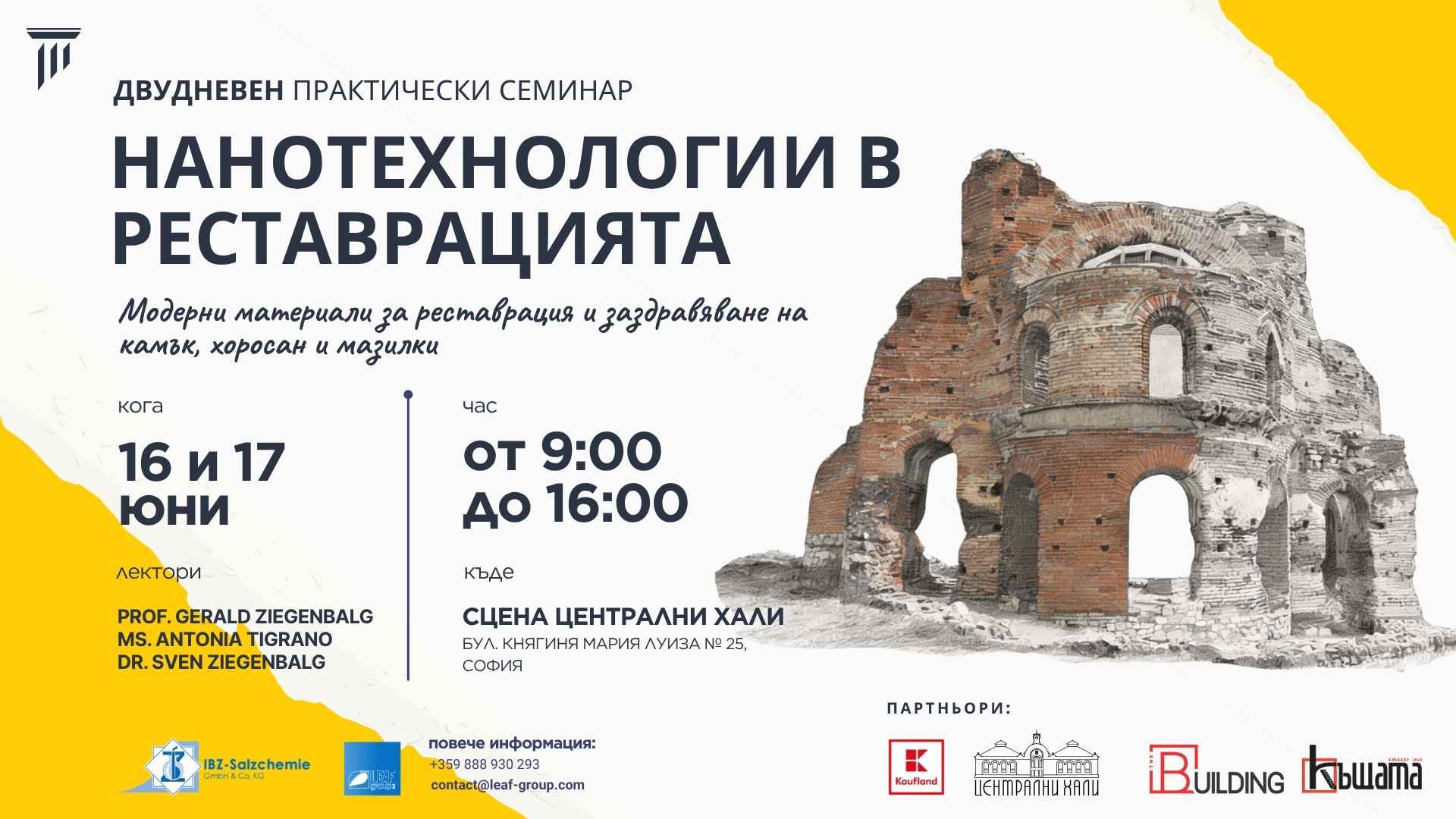
Two-Day Practical Seminar:
Modern Materials and Technologies in Conservation - Nanolime and Related Products
 WHEN June 16 & 17, 2026 09:00 AM - 04:00 PM
 WHERE
WHERE  REGISTRATION DEADLINE Until June 10, 2026 Free Admission (Registration Required)
About the Seminar
The conservation of stone, mortar, and plaster involves treating inorganic materials such as calcium carbonate (found in stone, mortar, and plaster), silicates, gypsum, and combinations of these materials, such as stucco. However, few traditional conservation materials yield adequate results. Instead, polymers are often used, along with their associated problems, including differences in thermal and hygroscopic behavior, aging, mechanical properties, and permeability.
This two-day practical seminar provides an in-depth overview of new materials and technologies for the conservation of stone, mortar, and plaster. The focus is on dispersions based on Ca(OH)₂ nanoparticles. Special attention will be paid to the consolidation of gypsum-based materials and the removal or treatment of masonry contaminated with salts, staining of stone claddings, and oxide crusts on facades.
The seminar is divided into two parts: lectures and practical exercises. In the practical part, treatment techniques based on the products and research presented in the theoretical section will be demonstrated and explained.
The workshop is designed for restorers, architects, engineers, and students involved in the conservation of stone, plasters, fillers, masonry, and ceramics. The materials and techniques presented can be used both for the conservation of historical monuments and for conventional building renovation.
Secure Your Attendance
Seats are limited due to the practical nature of the event.
Registration FormDownload Full Program (PDF)
Speakers
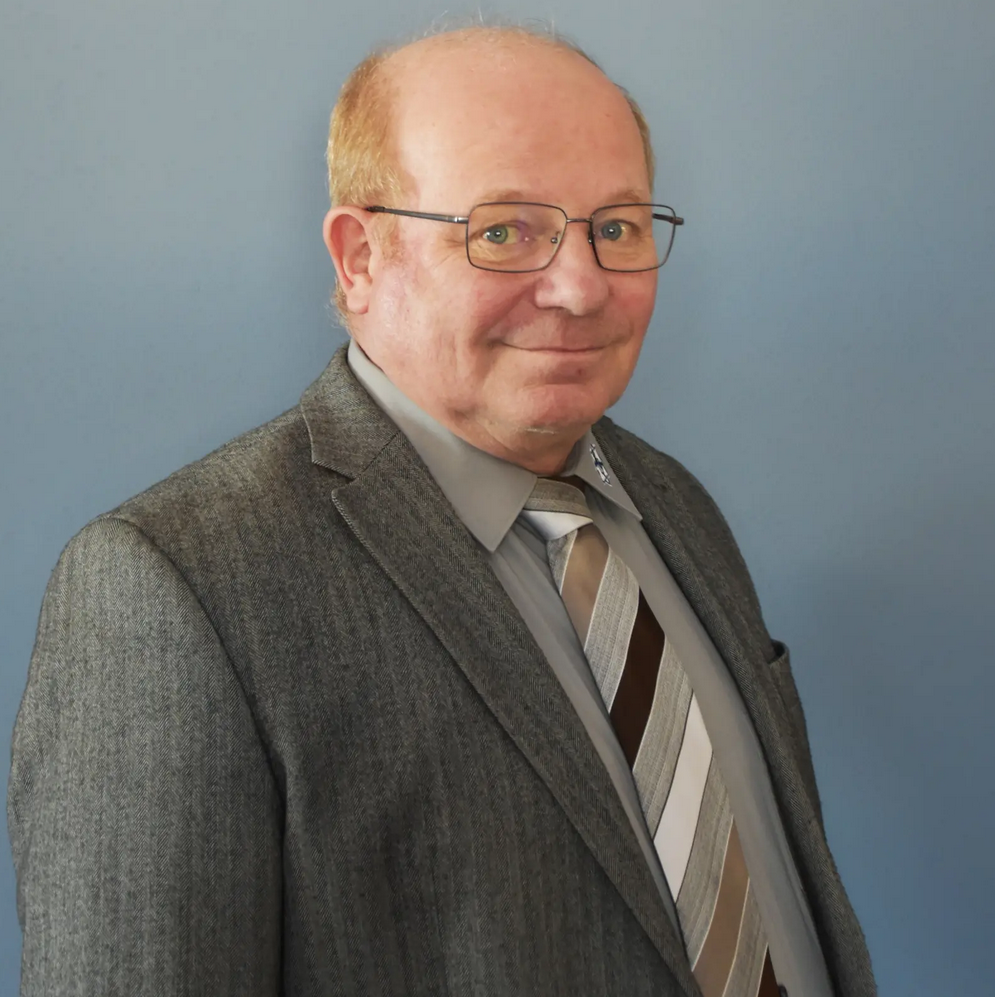 Prof. Dr. Gerald Ziegenbalg Leading researcher and Managing Director of IBZ-Salzchemie, Germany
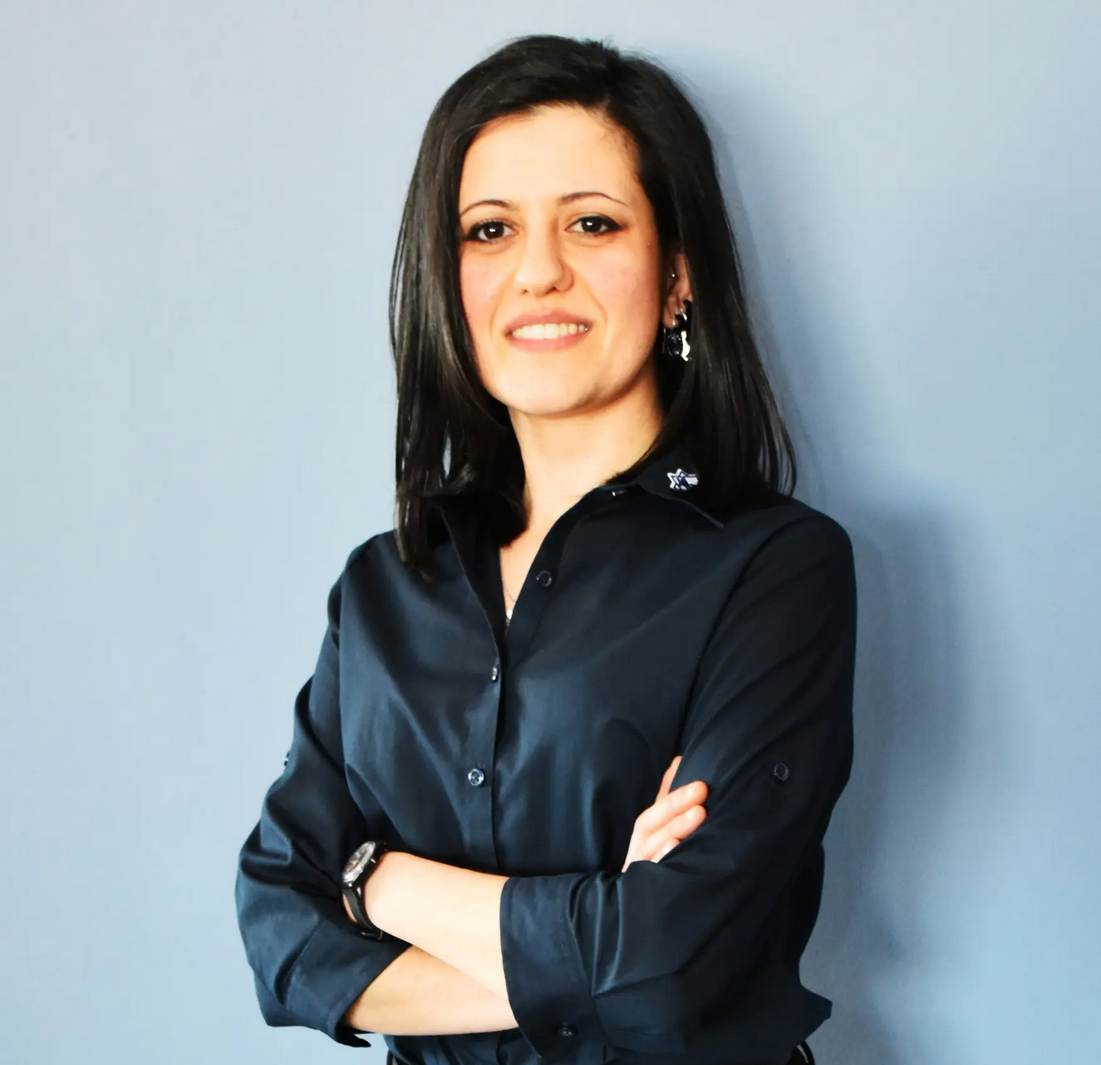 M. Sc. Antonia Tigrano Chemical Engineer, expert in the development of nanolime systems at IBZ-Salzchemie, Germany
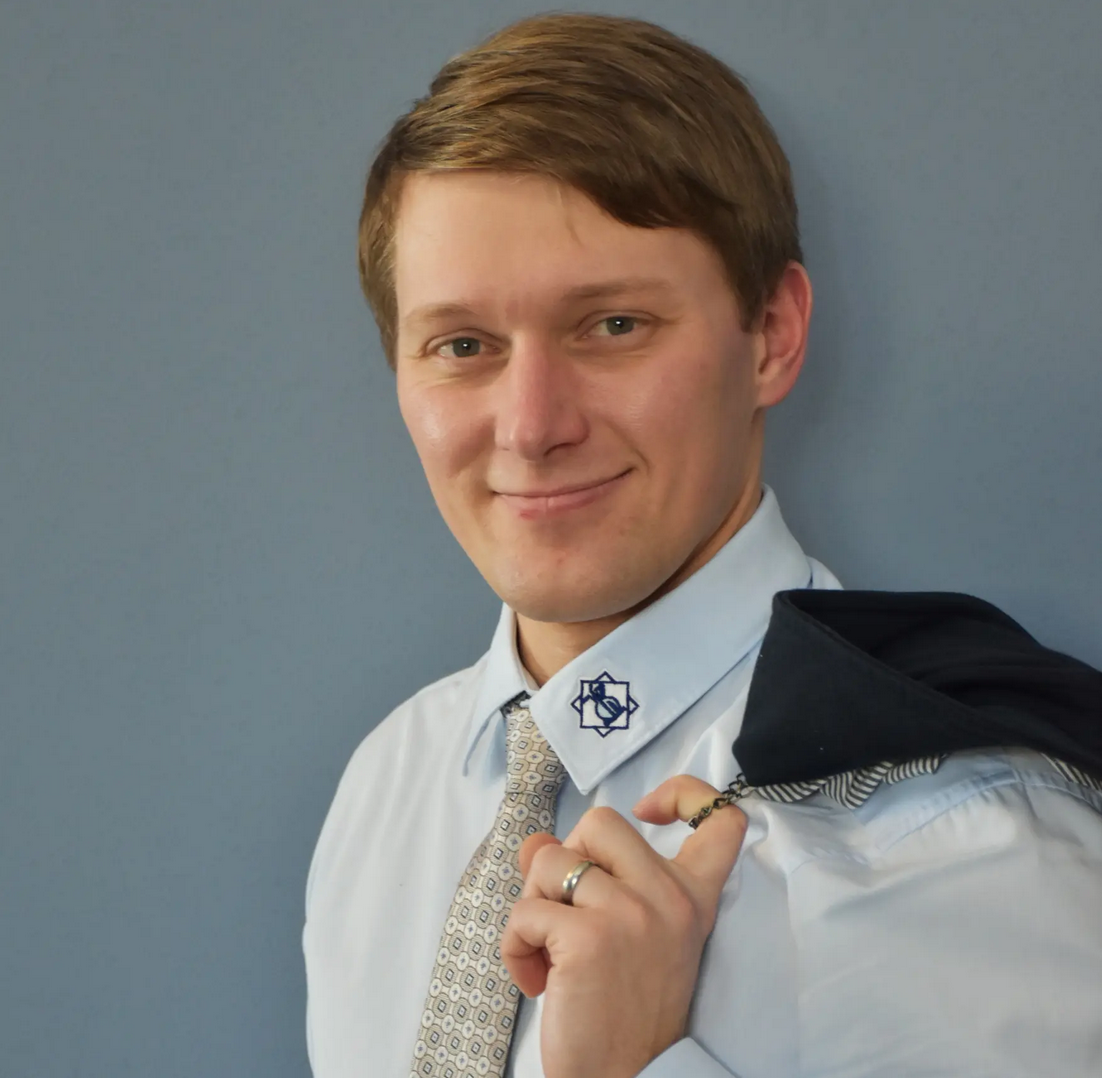 Dr. Sven Ziegenbalg Expert in the development of nanolime systems at IBZ-Salzchemie, Germany